- Sustainability
Decarbonization: Turning Ambitions into Concrete Action
Reading time: 3 minutes
Designing More Sustainable Solutions
Reducing the environmental impact of products requires action from the very beginning of the design phase. Lightweighting components, integrating recycled or bio-based materials, and improving the durability of solutions are among the key levers used to support the evolution of our industrial sectors.
In the railway industry, for example, reusing the metal parts of certain anti-vibration solutions helps extend the service life of existing components and limits the need for new resources. This approach contributes to preserving raw materials while maintaining the performance expected by customers.
These initiatives illustrate the commitment to developing solutions that combine reliability, efficiency, and a more responsible use of resources throughout their lifecycle.
Making Decarbonization a Shared Responsibility
Transformation is not an isolated act. It involves the entire value chain. Working with upstream suppliers who share this vision helps integrate resource-related considerations into purchasing decisions and advance practices related to materials, processes, and impact assessment.
Within the Group, this dynamic relies on the expertise and commitment of our teams. Training programs help engage a wide range of partners and promote the adoption of more sustainable practices.
From Ambition to Action: Decarbonizing Industrial Practices
Our industrial practices directly contribute to the implementation of our Sustainability roadmap. They are based on improving energy efficiency, sharing best practices and continuously optimizing our processes, supported by targeted investments.
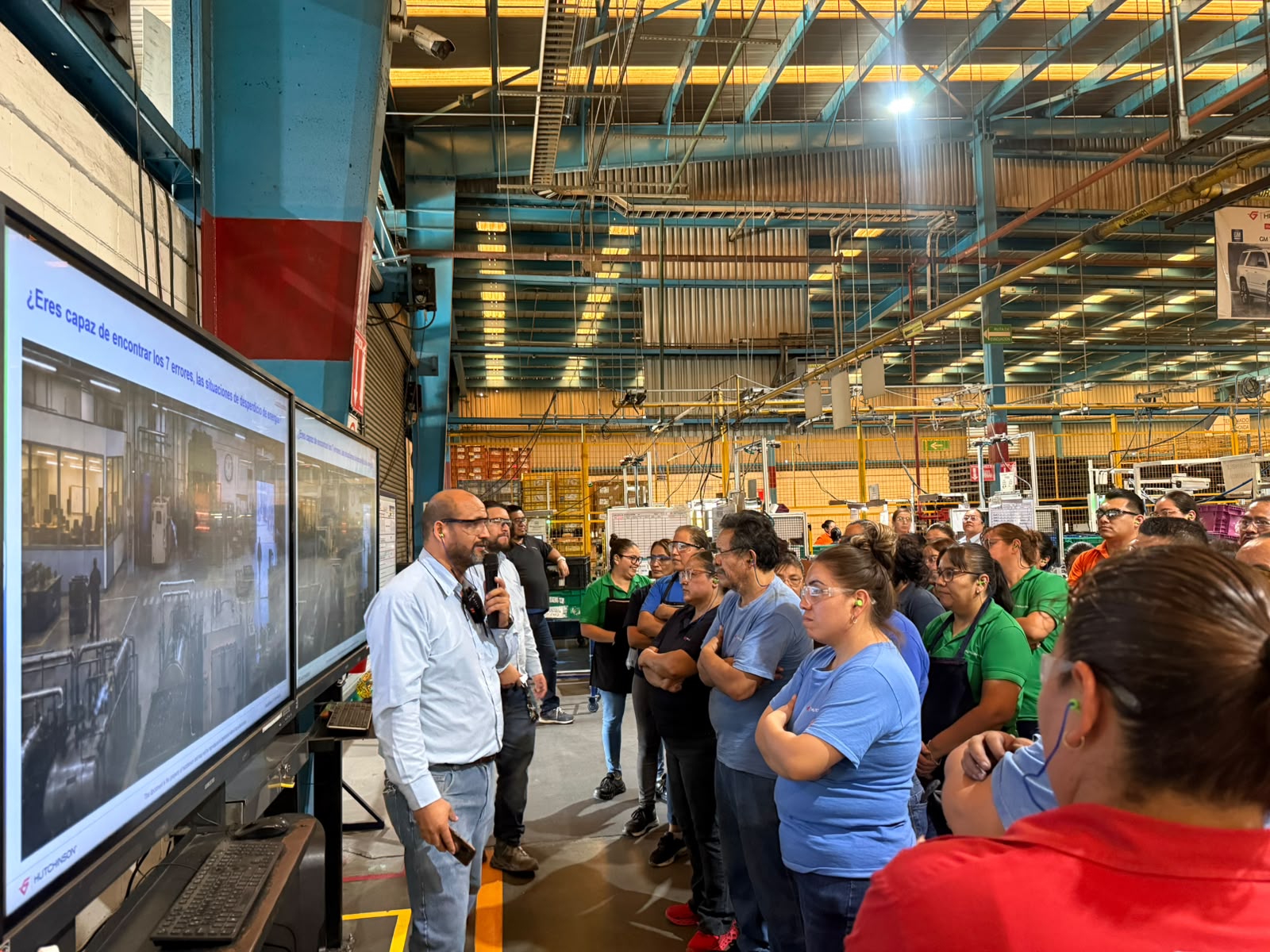
Managing energy consumption is therefore a daily priority. During the latest Sustainability Day, teams were encouraged to identify sources of energy waste, understand their causes and implement sustainable solutions to reduce them. This collective effort is part of a year-round approach aimed at transforming our practices and preserving the climate and natural resources.
The initiatives developed on the ground reflect the commitment of our teams. When deployed on a larger scale, they make a significant contribution to achieving the Group’s objectives.
Across our industrial activities, these challenges translate into tangible actions: reducing energy consumption, using resources more efficiently and limiting the environmental footprint of our operations.
At Hutchinson, the Sustainability roadmap brings our 40,000 employees together around a shared ambition. It supports the transformation of the Group’s practices, from product design to industrial operations, while also encompassing relationships with customers and suppliers.
Through everyday initiatives and dedicated engagement events held throughout the year, our teams turn these commitments into tangible action, helping to build a more efficient and resource-conscious industry